Li Hui Cham / notes
Jun 7, 2026
I Applied to Sail Around the World on a Whim
I was down with Influenza A after getting back from Hanoi. On a Saturday morning (June 6), at peak boredom, I stumbled on an Instagram reel by a former volunteer interpreter on Peace Boat, talking about how she'd travelled the world for free using her bilingual skills.
If you’re wondering what Peace Boat is: it’s an NGO promoting peace, human rights, and sustainability. It sails around the world, stopping at ports and bringing guest educators and performers onboard to exchange knowledge with passengers.
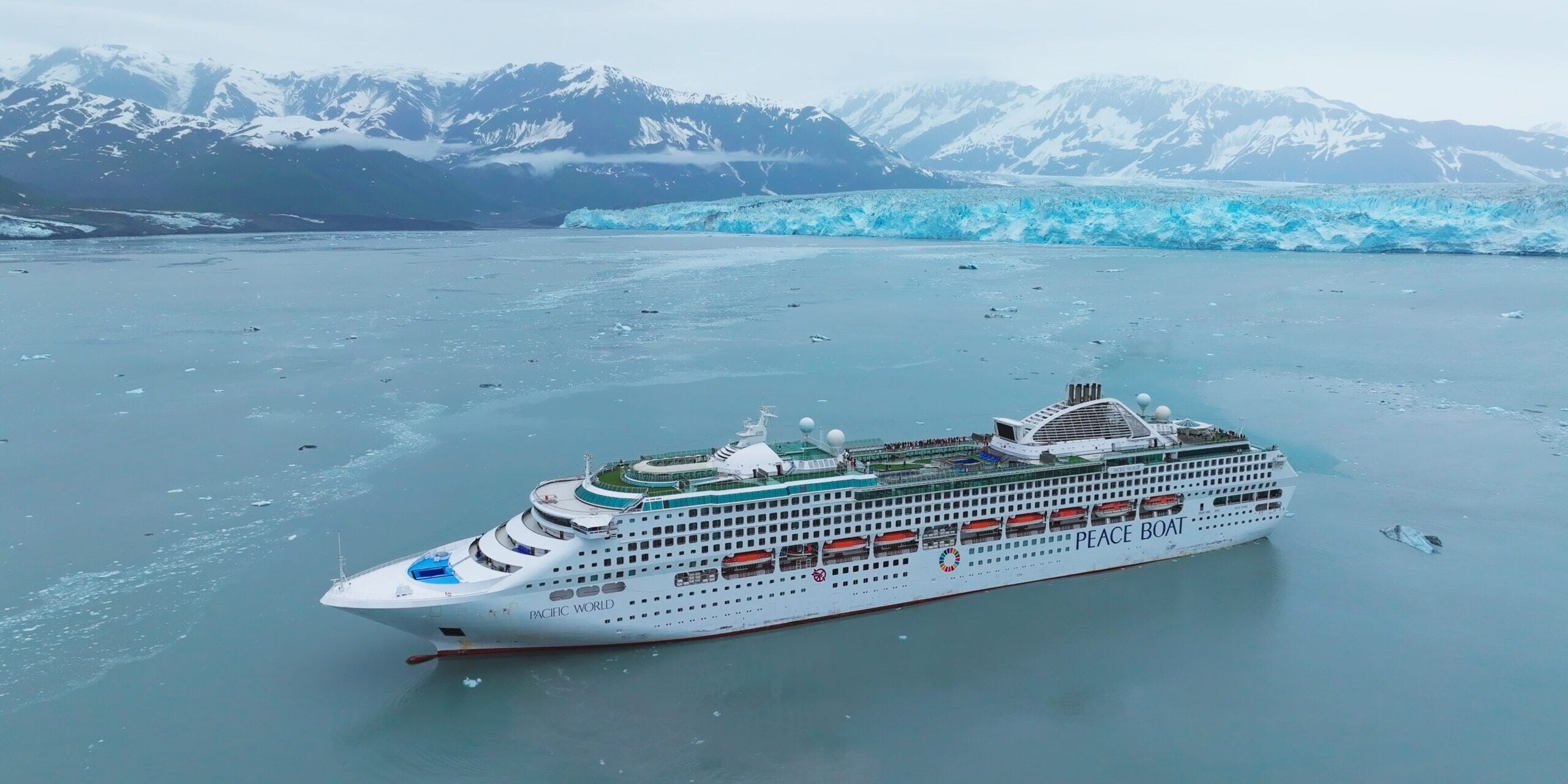
The next voyage was recruiting volunteers, and the route runs through Africa and Antarctica, my two absolute dream destinations to reach before I turn 40. The application deadline was literally the next day. Seeing that reel felt like fate, so I sat down, wrote my essay on why I wanted to be onboard, and submitted it.
If you’re interested too, here’s the application link.
Let’s see how it goes. Here’s the essay.
If I hadn't been down with the flu, I probably wouldn't have come across Peace Boat at all.
I'm Cham Li Hui, a Malaysian working in Singapore. Like in much of the world, AI has begun reshaping the workforce here. A tool we were once promised would change the course of human history is now driving layoffs and data centers are destroying the Earth. I've been fortunate enough to keep my job, but part of that job is transferring everything I know to an AI so it can do what I do, 24 hours a day, 7 days a week, no breaks needed. Who knows how long before I'm asked to leave.
As human intelligence becomes commoditised, the one thing that stays valuable is perspective. And perspective can't be downloaded - you build it over decades, by speaking to people from every walk of life and being bold enough to try what no one else will. That is what Peace Boat is to me. I want to sit in the lectures of wildlife photographers, indigenous musicians, environmentalists, and human rights advocates, and take something lasting from each of them.
The closest I've come to seeing economic inequality firsthand was a recent trip to Sapa, Vietnam. For me it was a trek for adventure. For my guide, a Hmong woman in her 50s and visibly exhausted, it was her livelihood. She could barely manage the long trails, yet still hiked for hours in the heat to put food on the table for her children.
I won't pretend I know much about activism or human rights. But I know this - you need an interpreter who doesn't just translate accurately, but carries the emotion behind the words. I was born bilingual in English and Mandarin, and have spent my whole life in both, from everyday conversation to working-level use. Beyond language, I bring a Southeast Asian perspective, one that matters on a ship where the conversations turn on inequality, peacebuilding, and communities not always represented in East Asian or Western narratives.
I'm naturally extroverted; I draw energy from people. In college, I hosted more than 50 international students from over 15 countries, taking them on heritage walks and hiking trails around Singapore and introducing them to our nature, history, and culture. It was one of the great joys of my life, and Peace Boat is a chance to do it again.
To do something great, I have to be willing to be different. Peace Boat isn't just a voyage to me. It's a chance to find myself again.
如果不是因为那场感冒,我可能这辈子都不会看到和平之船的招募启事。
我叫詹丽慧,是一名在新加坡工作的马来西亚人。就像世界上许多地方一样,人工智能正以超乎我们预期的速度,猛烈地冲击着各行各业的就业市场。我们曾以为,它会是改变人类历史的重要力量;却没想到,它带来了全球性的失业危机,甚至对环境造成了不可逆的破坏。
虽然这波裁员还没烧到我头上,我却已经被要求把自己的所知所学,转移到公司内部的人工智能系统里。高层嘴上说这是为了提高效率。毕竟机器不眠不休、无需休息。可谁又能保证,我不会是下一个被裁的人呢?
当人类的知识与智慧不再是稀有资源时,唯一还具价值的,是我们看待问题的独特视角。机器只能复刻,无法创新。若想拥有独到的观点,我们不仅需要数十年累积的阅历,也需要与行走在不同人生轨道上的人交流,更需要一颗敢于尝试的心。这就是和平之船对我的意义。我想听生态摄影师讲述他们的奇妙冒险,听古老乐器演奏者奏出的旋律,听环境与人权维护者那些鼓舞人心的演讲。
上个月的越南萨帕之旅,让我第一次如此深切地感受到贫富差距带来的不平等。对我而言,那不过是一趟观光探险、沿途赏景的旅程;但对我的向导来说,却是她养家糊口的饭碗。她是一位五十多岁的苗族妇女,登山时脸上的疲惫肉眼可见,却仍得在烈日下带着游客徒步好几个小时,只为赚取微薄的收入,养活家中的孩子。
我不会假装自己对人权或社会运动有多深入的了解。但我知道,您需要的翻译员,不是那种只能把课程和教材翻译得一字不差的人,而是能把字里行间的情绪也一并传达出来的人。我自小便在英语与华语的双语环境中长大,无论在日常生活还是工作中,都能自如地在两种语言之间来回切换。除了语言,我还能带来东南亚的视角。在一艘讨论着不平等、和平共处,以及那些常被东亚或西方叙事所忽略的群体的船上,这样的视角尤为珍贵。
我天生外向,与人交谈非但不会让我感到疲惫,反而让我精力充沛。大学期间,我曾接待过50多位来自世界各地的交换生,他们来自大约15个国家,从美国到非洲都有。我带他们走访新加坡的各个角落,认识这里的自然、历史与文化。那是我人生中最难忘的时光之一,而和平之船,正是让我重新体验这份美好的机会。
想要成就非凡,就必须与众不同。对我而言,和平之船不只是一趟冒险的旅程,更是一次让我重拾初心的机会。
Lowkey, writing the essay turned into a moment of self-reflection.
I’m turning 25 this year: no partner, no kids, no commitments, and a stable income. I know how privileged that sounds, and I’m aware plenty of people wish they were in my position, but there are still times when I feel lost af about what to do with my life.
When I was weighing whether to apply for Peace Boat, one voice kept going in my ear: What if I get in? Does that mean quitting? The job market’s rough right now, and landing a job is harder than ever. What about my bond? Do I have enough to survive being unemployed?
Then it hit me. My long stretch in Singapore had quietly turned me into someone risk-averse and overly cautious. It’s been stopping me from trying new things and meeting new people. Time to shut the overthinking down, so I can start trying again.